.svg)
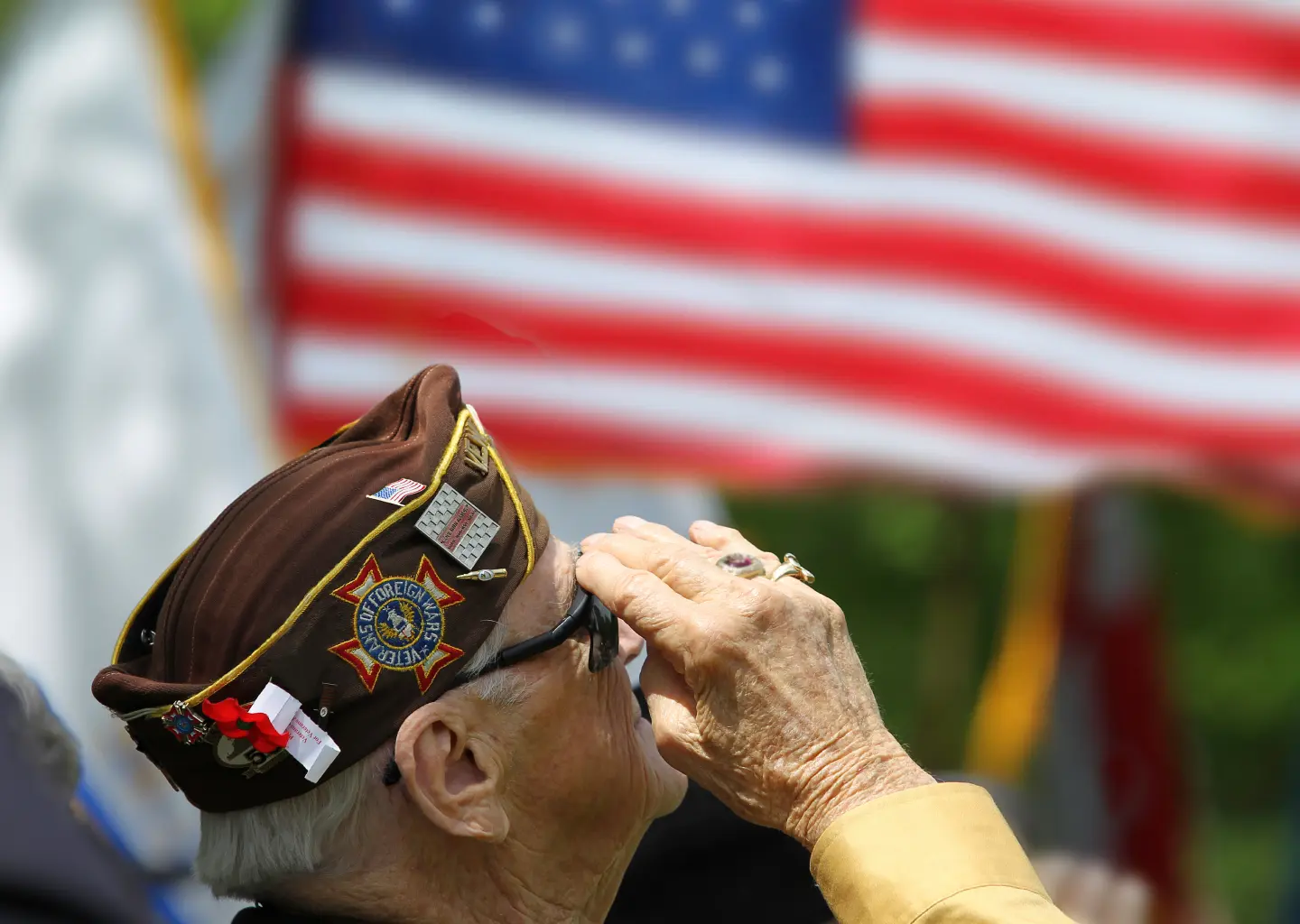
Purpose-built association management system for a century-old veteran service organization
Replaced the VFW Auxiliary's mainframe and off-the-shelf software with a cloud platform purpose-built for the operational complexity of a national membership organization.
THE CLIENT
The Veterans of Foreign Wars Auxiliary, founded in 1914, is one of the oldest and largest veteran service organizations in the United States, supporting veterans, military personnel, and their families through charitable initiatives, patriotic programs, and legislative advocacy.
Its membership spans the entire country, and its operational requirements reflect over a century of accumulated organizational complexity: member records, event management, voting, charter administration, and reporting across a federated structure. The organization's mission and reputation are inseparable from its ability to serve its members reliably and securely.
THE CHALLENGE
The VFW Auxiliary had recognized that its mainframe legacy system was no longer adequate and had attempted to move beyond it with an off-the-shelf AMS solution. The off-the-shelf product proved too rigid for the Auxiliary's specific operational requirements and was quickly set aside.
The underlying problems remained: member data was fragmented and difficult to report against, the system offered no self-service options for members, core processes including event registration and voting were paper-dependent, the architecture could not scale with membership growth, and the legacy security model was inadequate against modern data protection standards. The Auxiliary needed a system built for its specific requirements.
WHAT WE BUILT
Primero Group designed and built MALTA — a custom Association Management System purpose-built for the VFW Auxiliary's structure, mission, and scale. A centralized cloud-based database replaced the fragmented data environment with a single, accessible member record system, enabling real-time access and simplified reporting for staff at all levels. Self-service member portals gave members direct access to their own information, event registration, and online voting — reducing administrative load and improving member experience simultaneously. Automated digital workflows replaced paper processes for event registration, voting, and charter access, reducing manual error and operational cost.
Security was built to current standards throughout: encryption, multi-factor authentication, and compliance with data privacy regulations were designed in from the outset rather than retrofitted. A microservices architecture allows individual platform components to scale independently, enabling the Auxiliary to handle seasonal demand spikes without architectural rework. Data was migrated from the legacy mainframe using secure ETL processes with end-to-end encryption. A phased rollout, pilot testing, and dedicated change management ensured adoption across an organization whose staff had operated within the legacy system for years.
WHAT THIS SHOWS
Organizations with genuinely complex, historically accumulated operational requirements cannot be served by products built for generic membership management. Building MALTA required us to understand the Auxiliary's specific structure and operational model before designing a single component.